Art Info
Public Art Install Date: 2027
For project updates, please look at the news section of this site or follow our Facebook page.

Why this location?
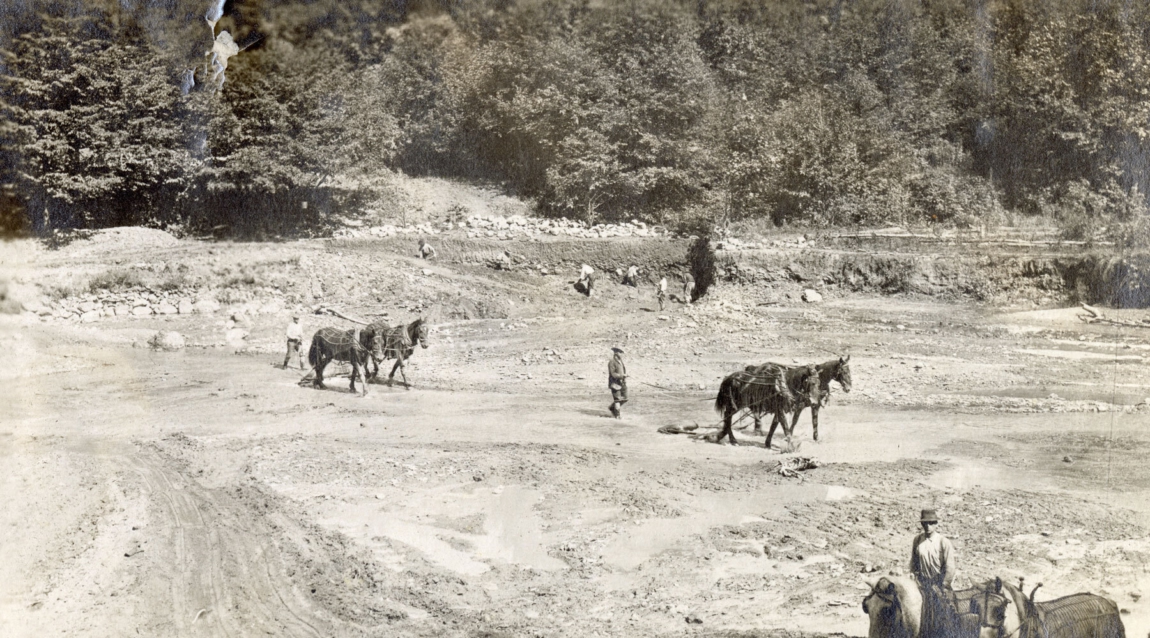
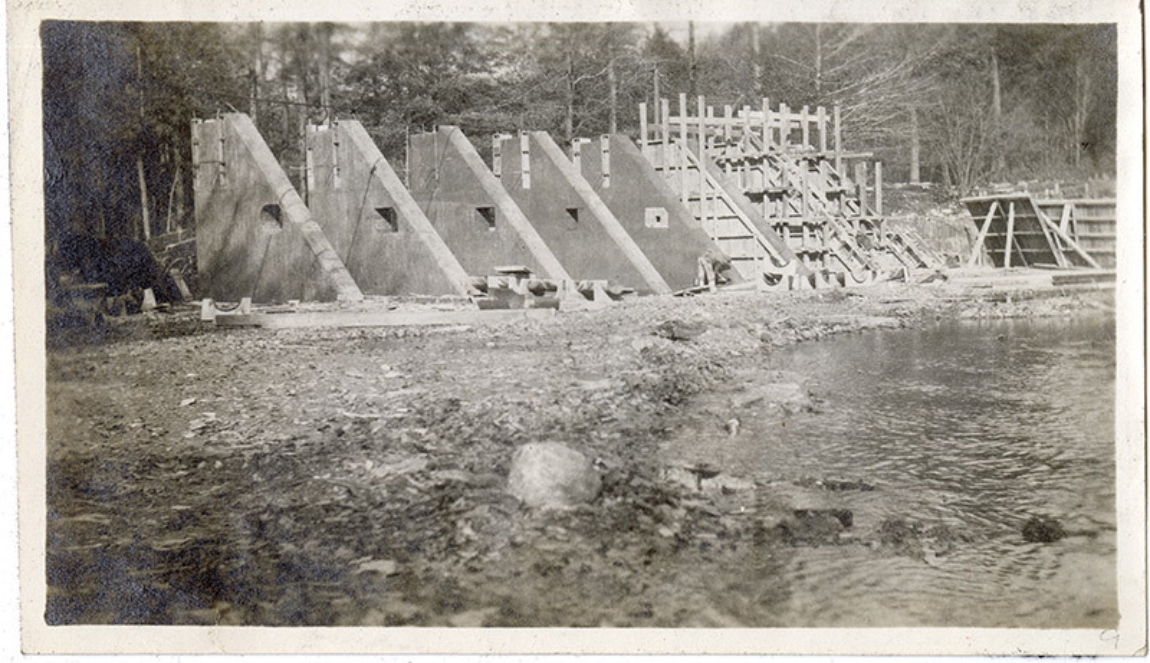
This spot was chosen for the trail because on the afternoon of the Flood, debris was uprooted, picked up, and carried from this location, and was part of the buildup at 26th Street and State Street. The driftcatcher, built when the Tube was constructed starting in 1918, was created to stop large debris from blocking the entrance to the Tube just a bit downstream. In the 1960s, the zoo added the train section to include crossing the driftcatcher. An iconic Erie experience is listening to the tale of the Mill Creek Flood told by the conductor while enjoying a relaxing train ride.
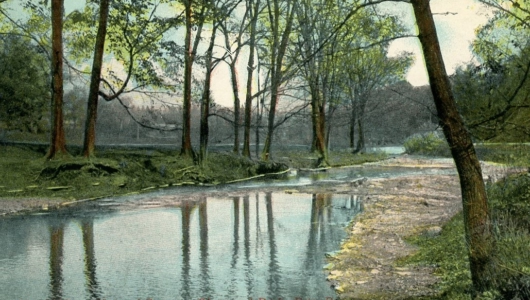
Postcard of Glenwood Park in the 1900s
Looking Back
The Erie Zoo and Glenwood Park were the site of a natural park in the early 1900s.
Families came for picnics, swimming in the swimming hole, and leisurely walks along the paths. Urbanization and neighborhoods did not exist at that time.
On the afternoon of the Flood, debris was uprooted, picked up, and carried from this location, and was part of the buildup at 26th Street and State Street. During the reconstruction period following the flood, the City determined that a driftcatcher would be created and installed across the creek to prevent debris from causing further damage. The driftcatcher can be seen up close today, as the Erie Zoo's recreational train takes its journey across the bridge several times each day in season!
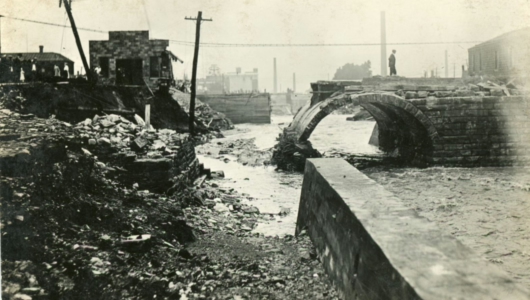
Erie circa 1915 - Flood Damage
The Flood
In August 1915, a massive storm dumped nearly 7 to 9 inches of rain in a few hours, causing Mill Creek to overflow and flood the Glenwood Park and Erie Zoo areas.
The disaster prompted the city to enclose Mill Creek in a massive underground tunnel and install debris catchers to prevent future flooding.
This transformation enabled the Glenwood Park and Zoo area to be developed safely, turning a once-flood-prone creekside into public parkland.
The Drift Catcher
The drift catcher at the Erie Zoo was created as a flood-prevention measure after the 1915 Mill Creek flood. Its purpose is to catch logs, debris, and other large objects carried by the creek before they enter the underground Mill Creek Tube. Without it, debris could clog the tunnel, causing water to back up and potentially flood nearby neighborhoods again. The drift catcher protects both the city and the areas around Glenwood Park and the Zoo from future flooding.