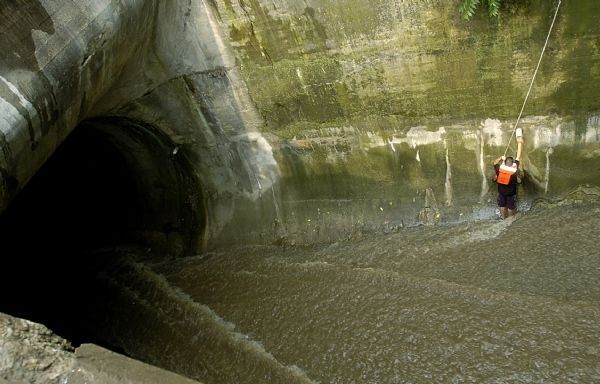
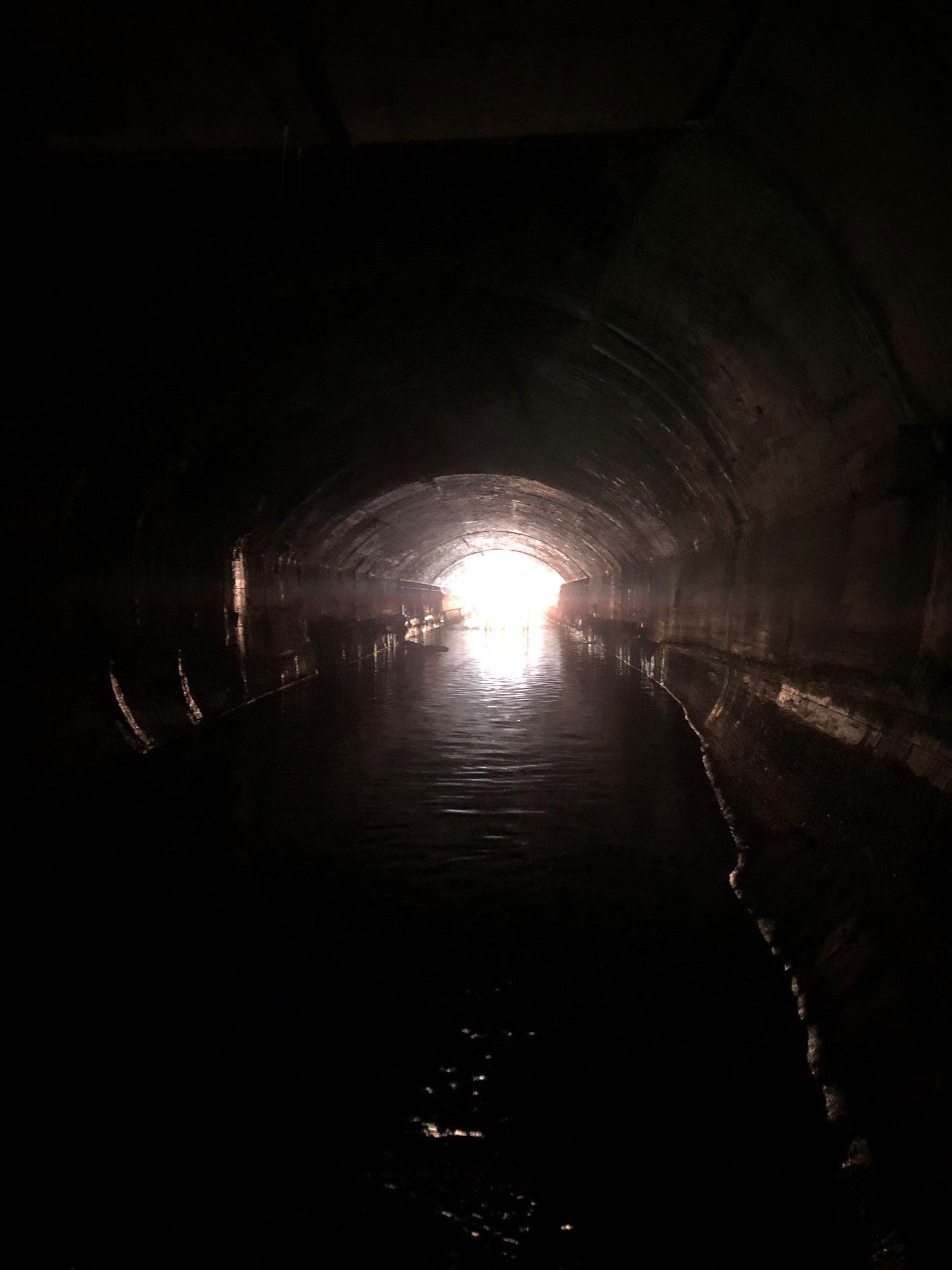
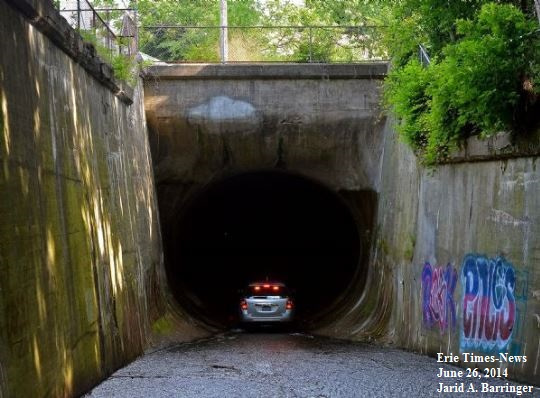
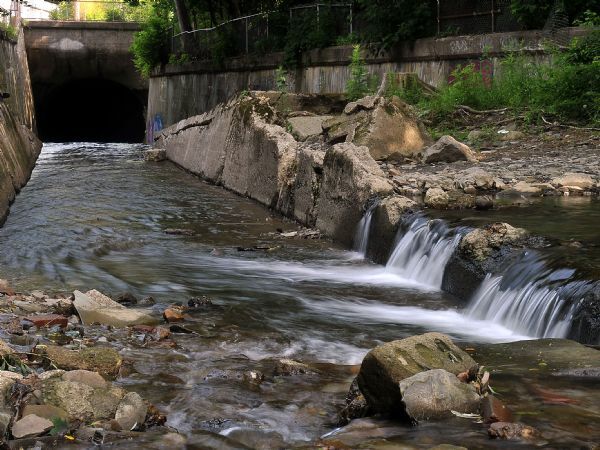
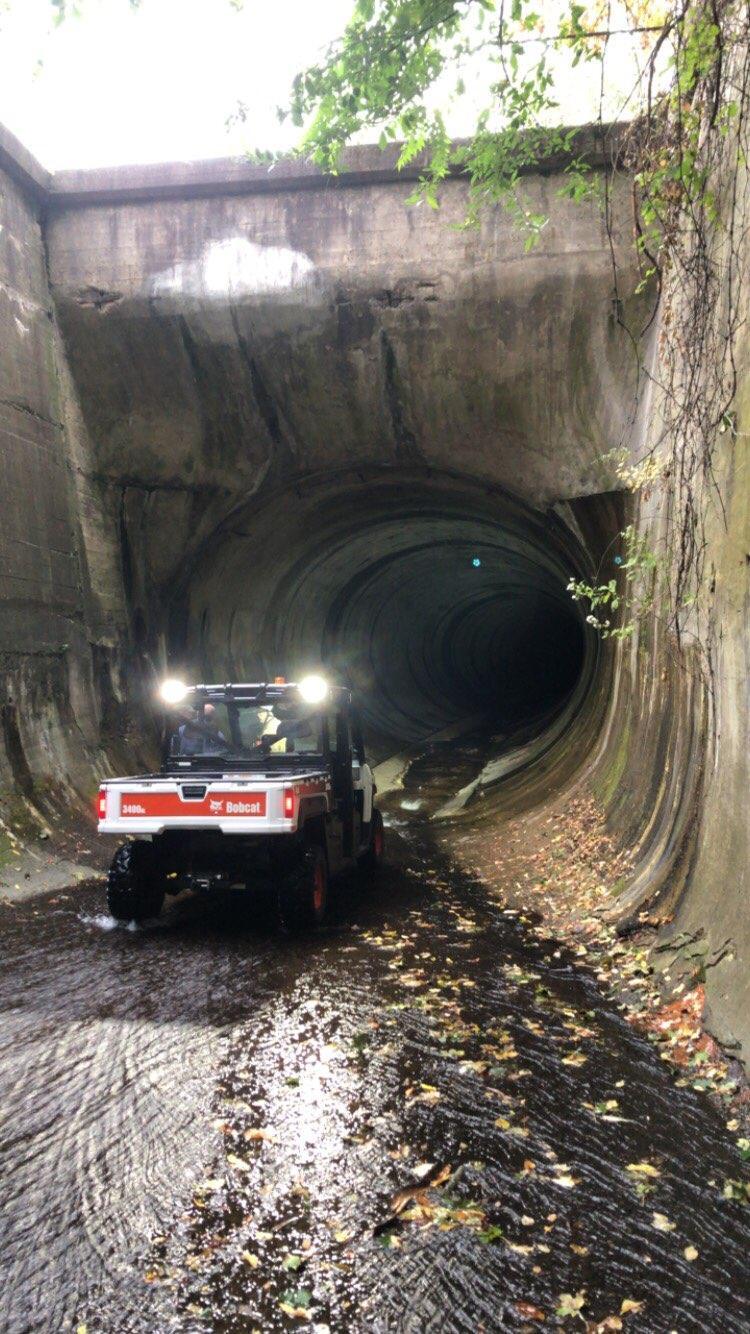
The Mill Creek Tube of 1915

How does a community even begin to recover from such a natural disaster?

A little after 4 pm, a steady, pounding rain began that did not let up. The cloudbursts continued without an end in sight. Residents watched from windows while children played in the rain and Mill Creek to cool off. Upstream, at the headwaters, thing were quickly deteriorating.

Damages

Damage to residences and businesses was estimated at least $2 million, possibly as high as $5 million. 

In the days immediately following the flood, the community worked together to remove debris, begin cleanup, and support those impacted by the devastation. 

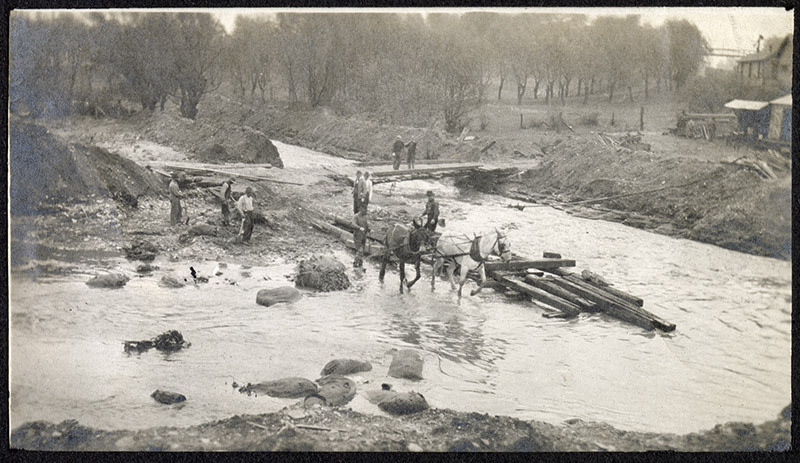
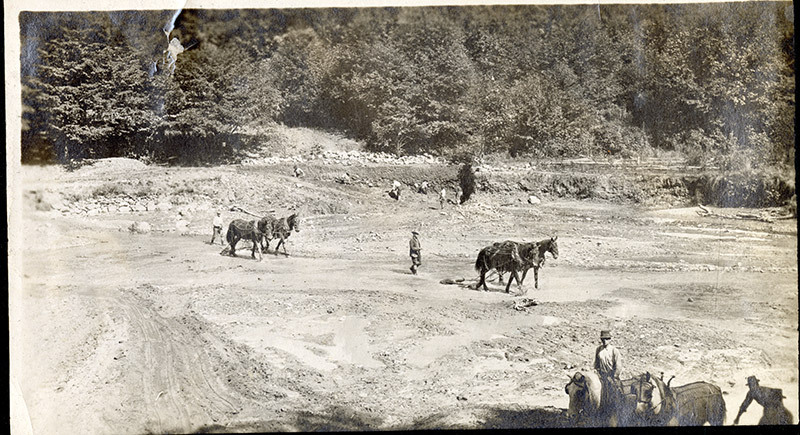
Men and young boys worked with horse-and-wagon teams and delivery trucks donated by local businesses to begin removing debris from the city. Volunteers began setting up donation sites for clothing and food. 

The mayor and council began working with state and federal agencies to make a plan for the future. 
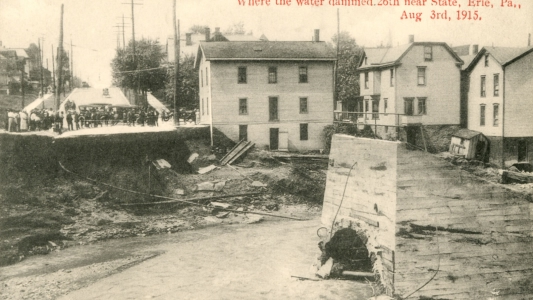
Erie circa 1915 - Where the water dammed near 26th and State St.
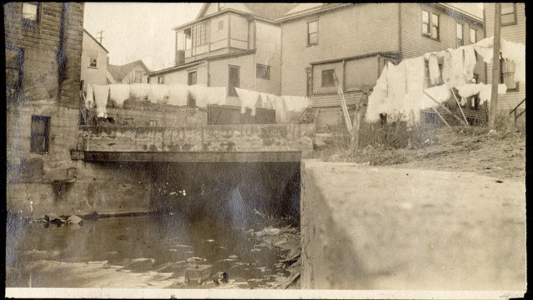
See debris in the water and the attempt to continue life through the destruction.
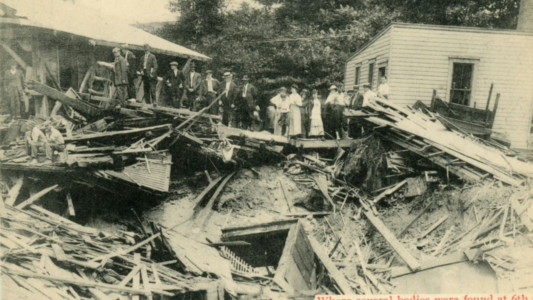
Erie circa 1915 - Flood Damage at 6th and German, many people died at this location

Looters and Sightseers

The spectacle of the flood brought looters and sightseers. In the initial aftermath, it was difficult for law enforcement to monitor and prevent looting of the flood zone. 

Spectators from as far as Buffalo and Cleveland rode the train into Erie for a day's picnic to observe the goings-on. 

With coordination, the city used the National Guard to maintain order and enable cleanup crews to continue their work.
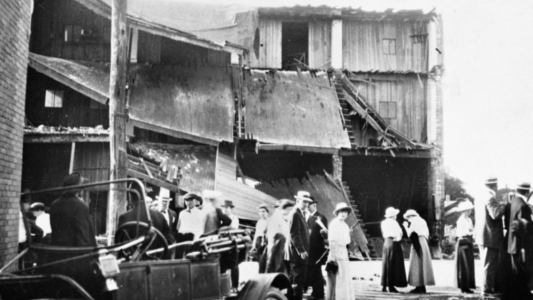
Thousands of spectators came from as far as Cleveland and Buffalo to view the damage.

Moving Forward

The city leaders decided that steps needed to be taken so that a disaster of the flood's magnitude would never happen again. 

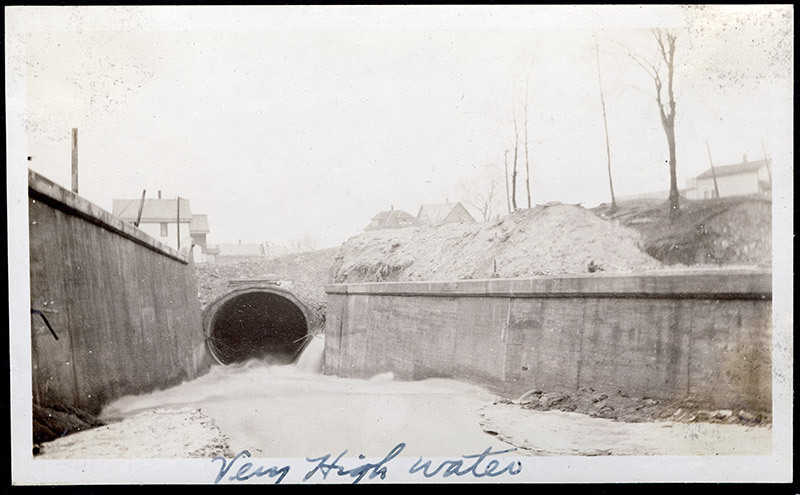
A tube would be constructed through the city to allow the waters of Mill Creek to flow while the business of the city would continue above it. 

Bids were received and an award for nearly $1 million was given to Metz and Roth Co. Inc. to begin construction. 

The project began in 1918 and would continue for 5 years, with completion in 1923. 
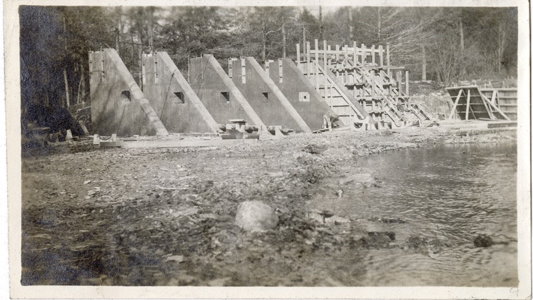
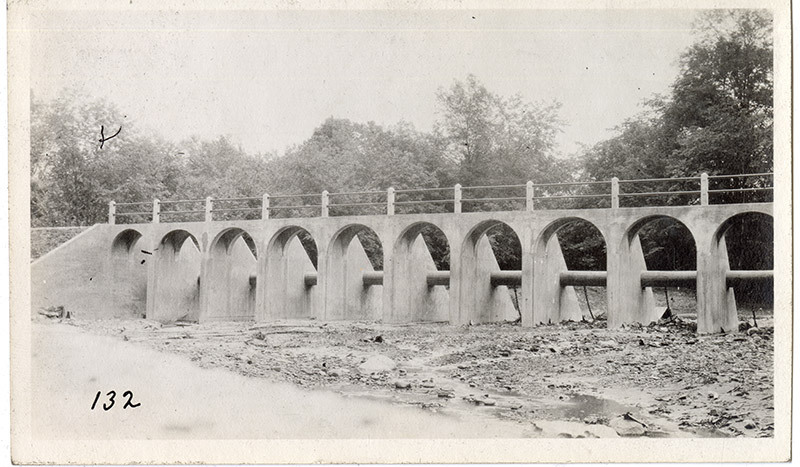
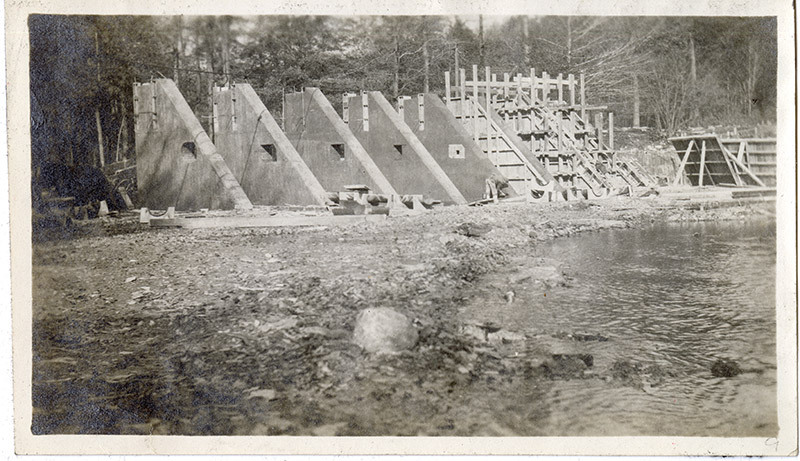
Driftcatcher Build
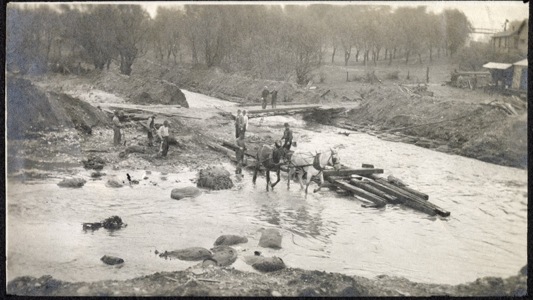
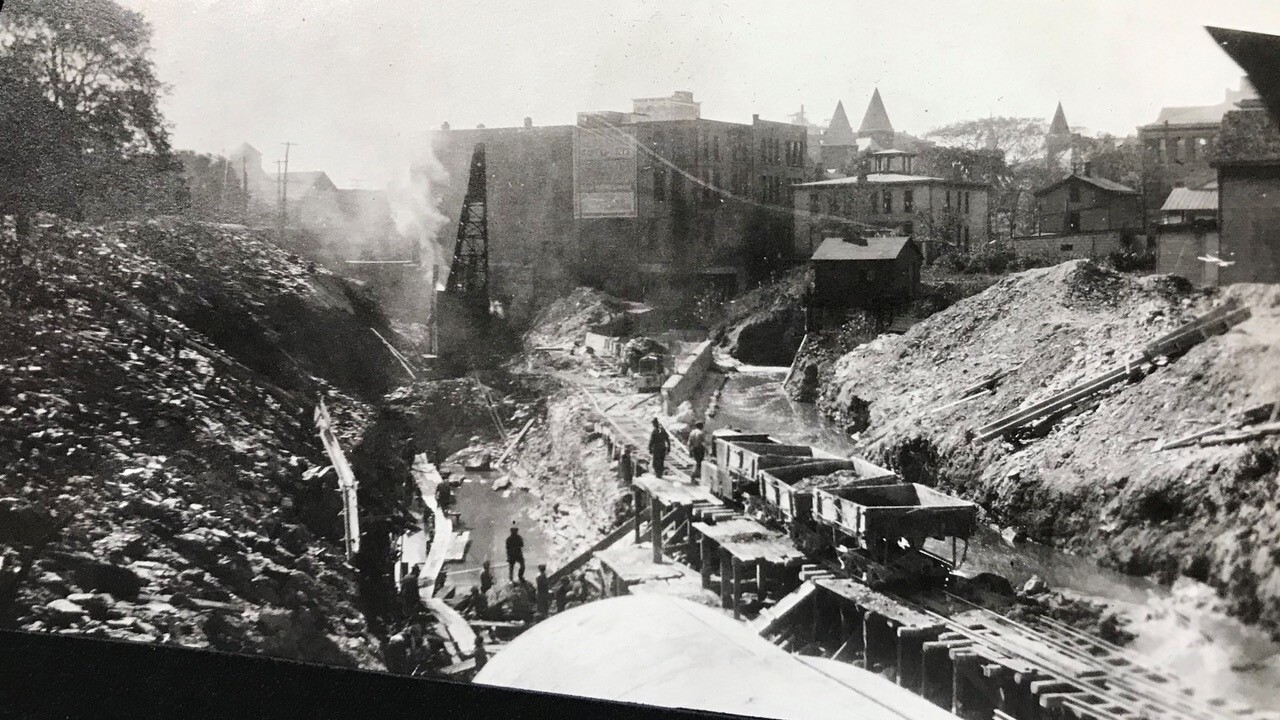
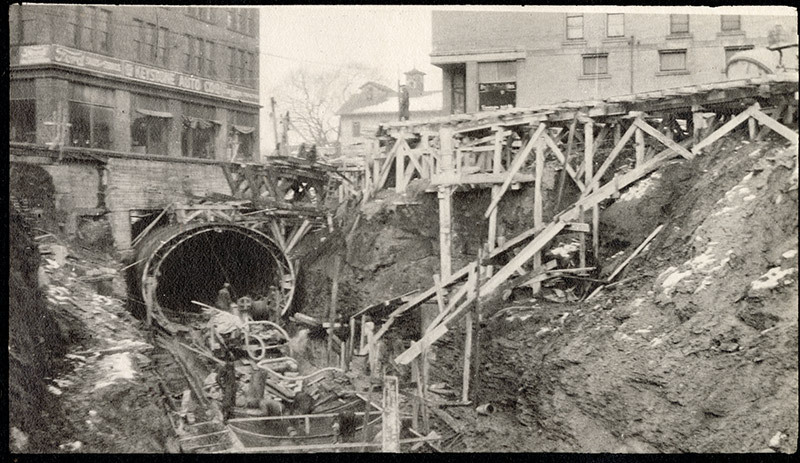
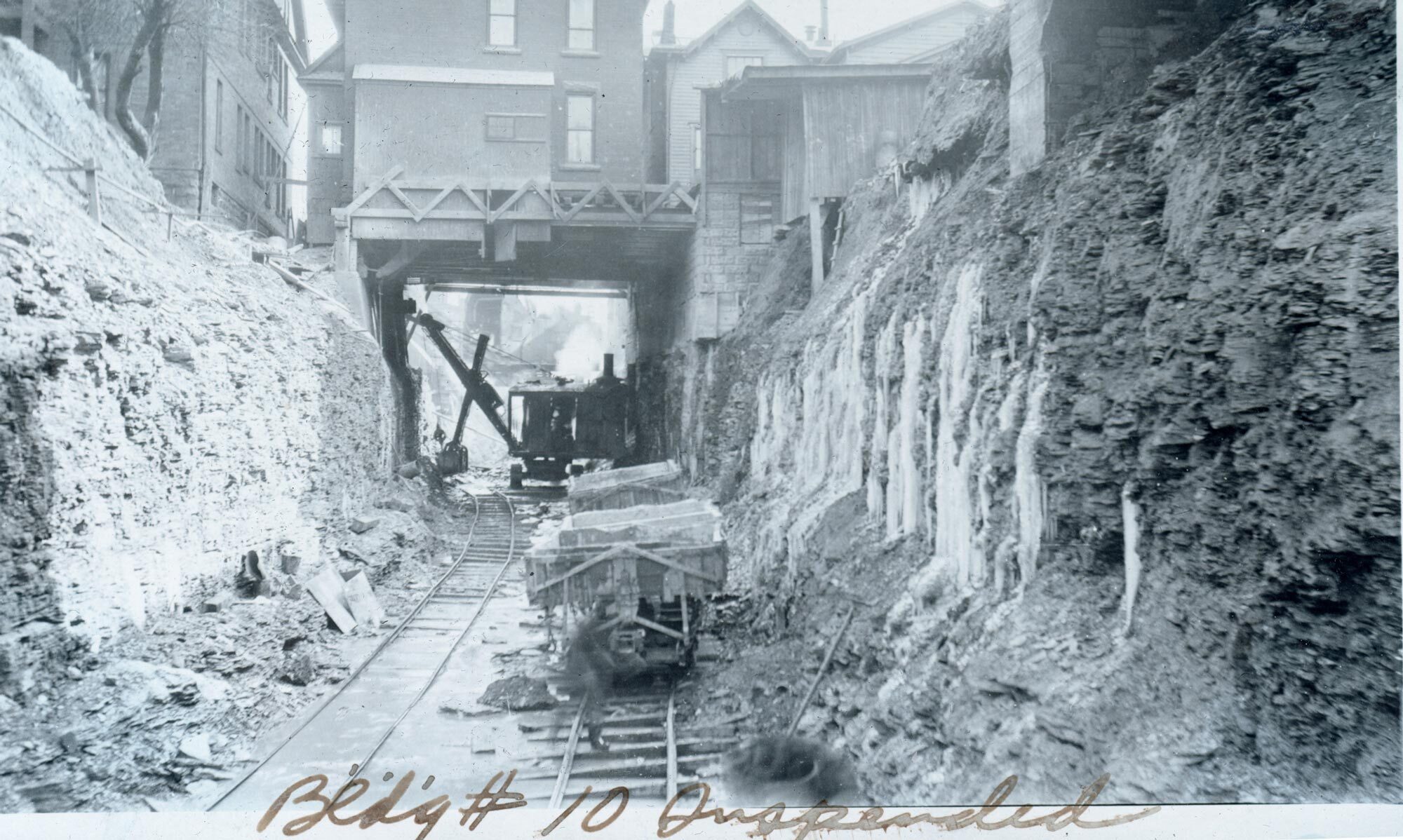
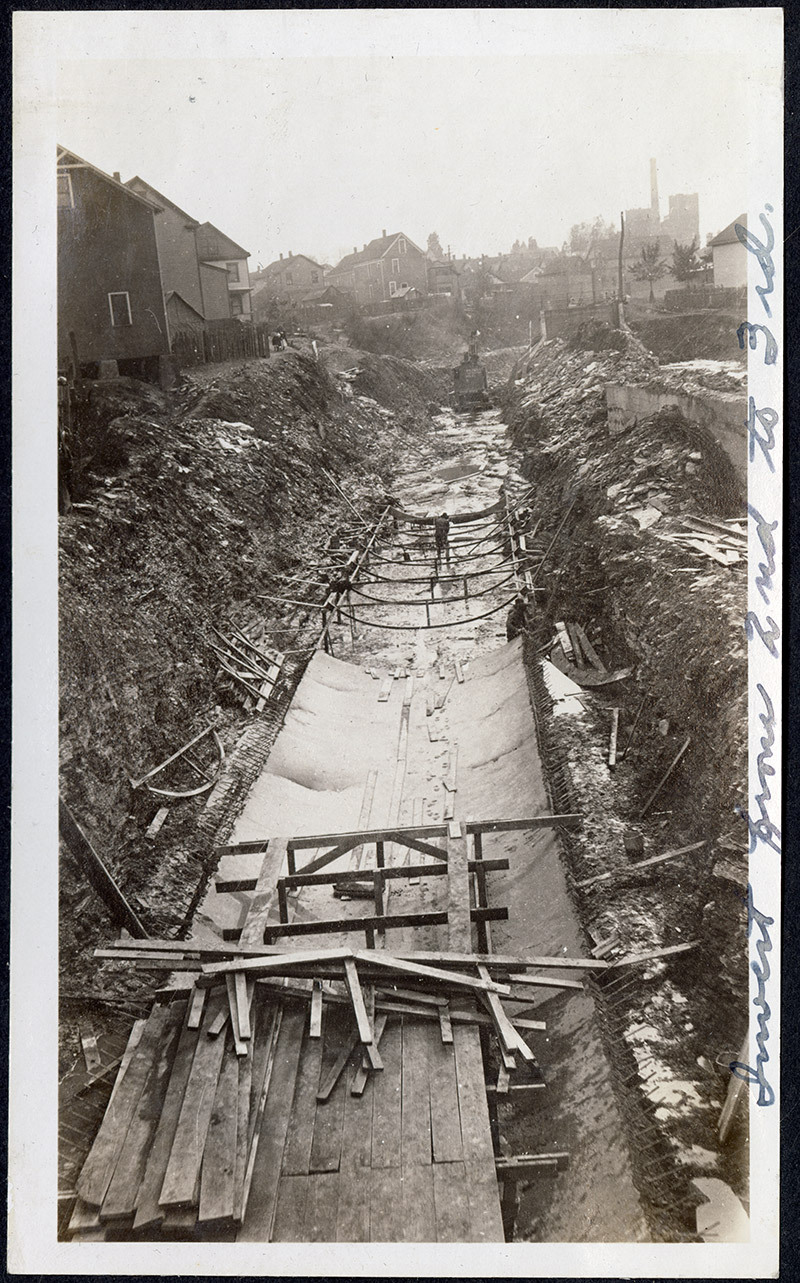
South end of the Tube — construction
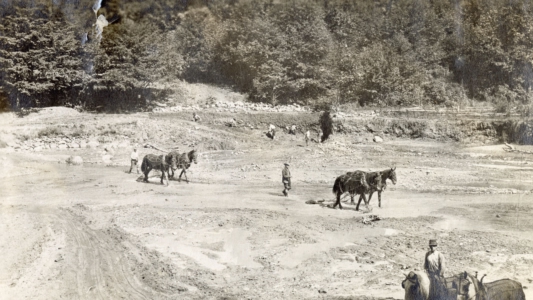
South end of the Tube — construction
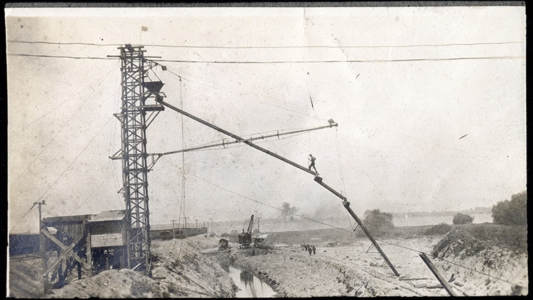
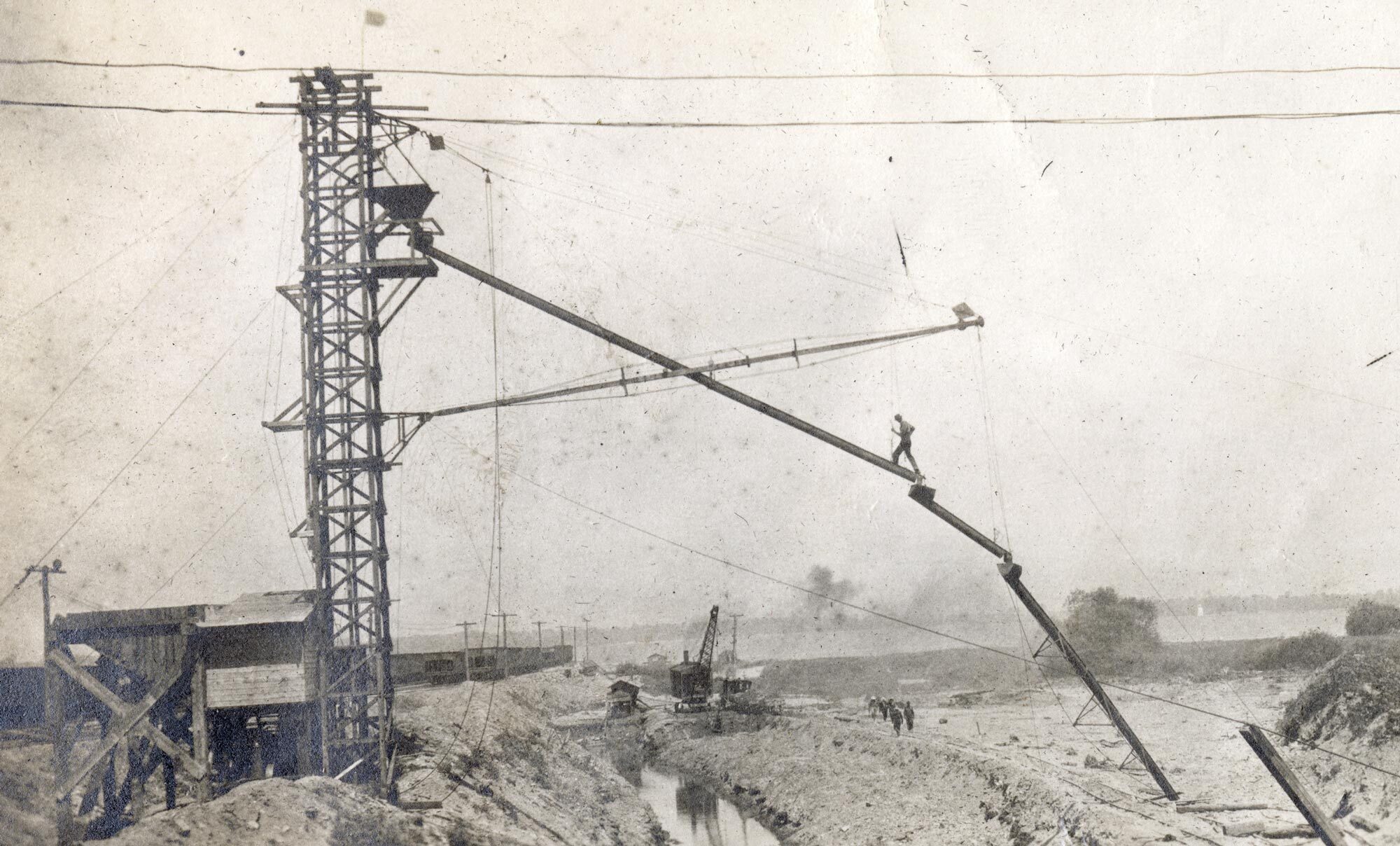
“I remember looking down into the construction at a steam shovel digging. I went home and built a model of it.”

Kenny Pfirman — his recollection as a young boy

An Engineering Feat

The Mill Creek Tube is an engineering feat, considering the scope, materials, and equipment available at the time. 

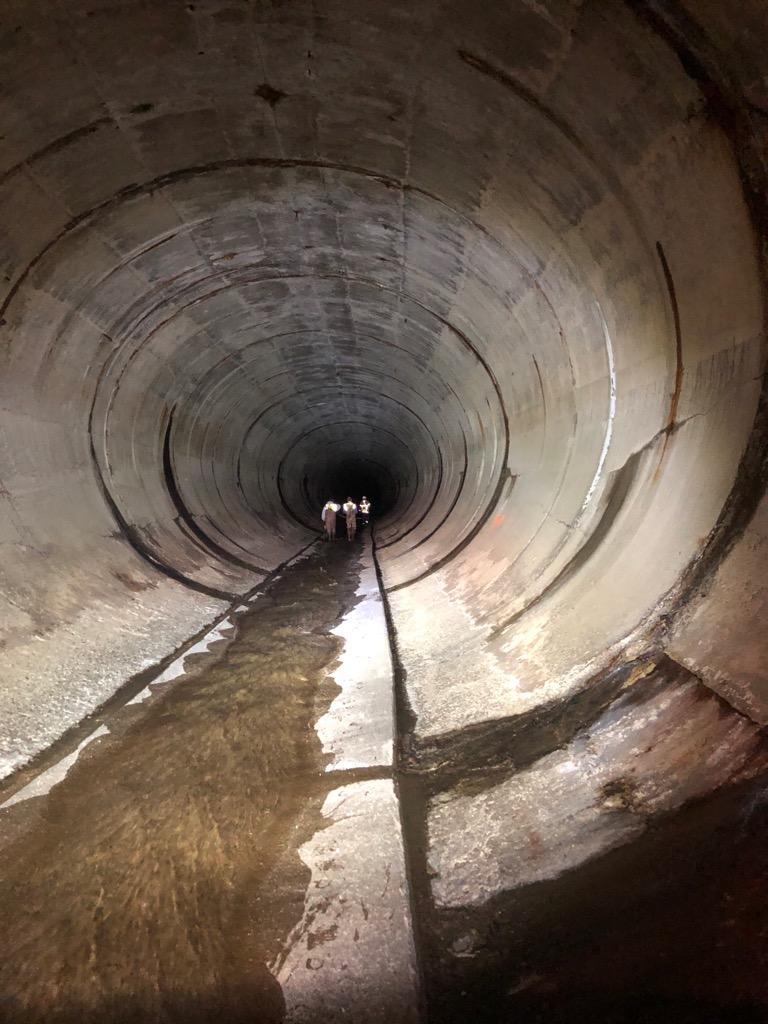
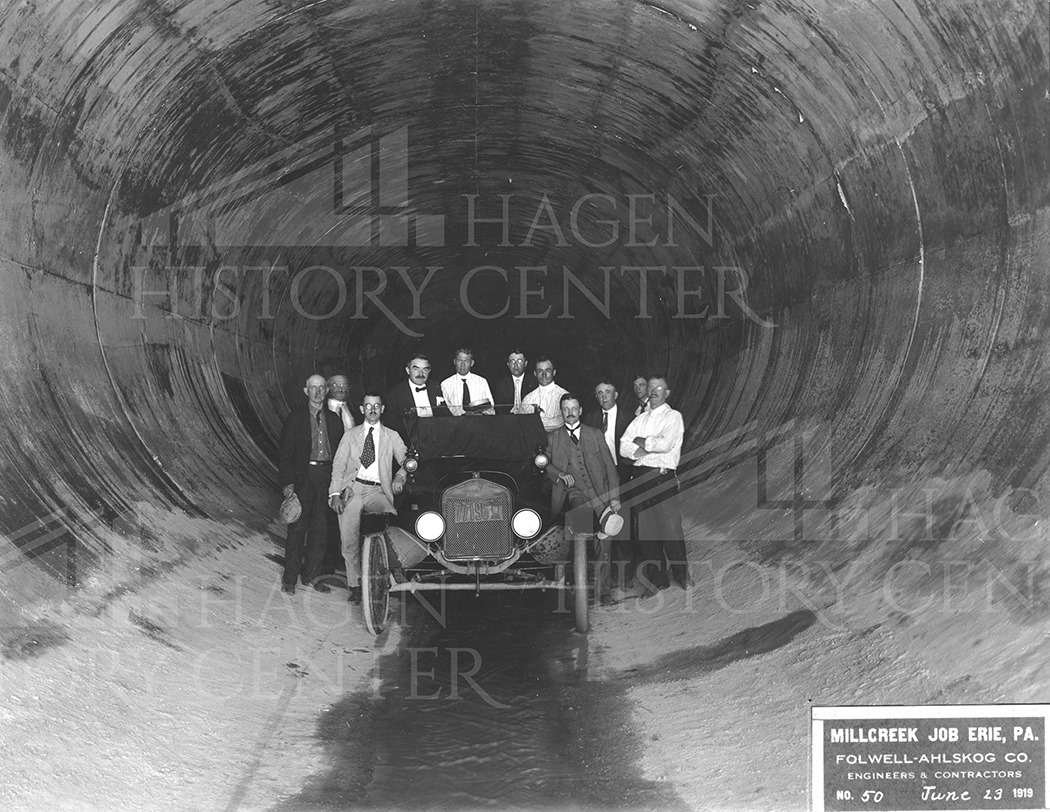
The Tube measures 18 feet high and 22 feet wide with concrete walls 2 feet thick. 

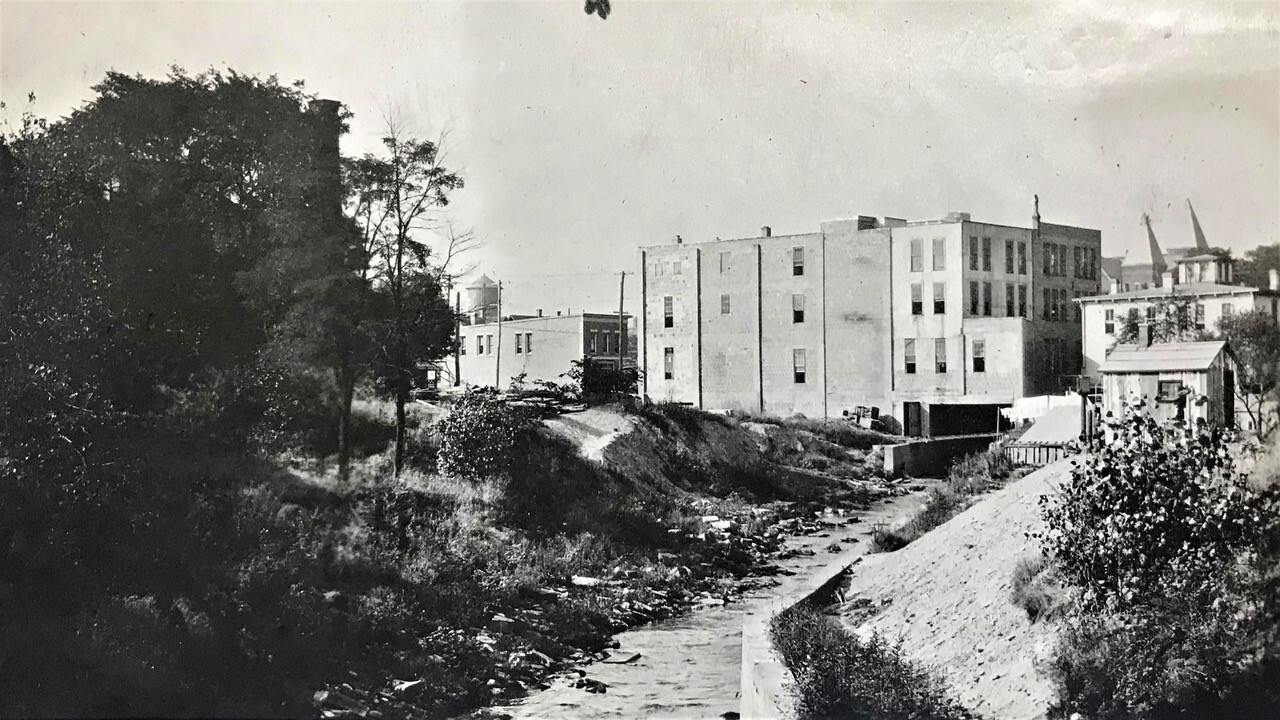
It follows a more tomato-shaped design for ease of construction and water flow. It was decided to follow the path of the flood, so construction took place directly in the culvert that the water carved from the earth. 

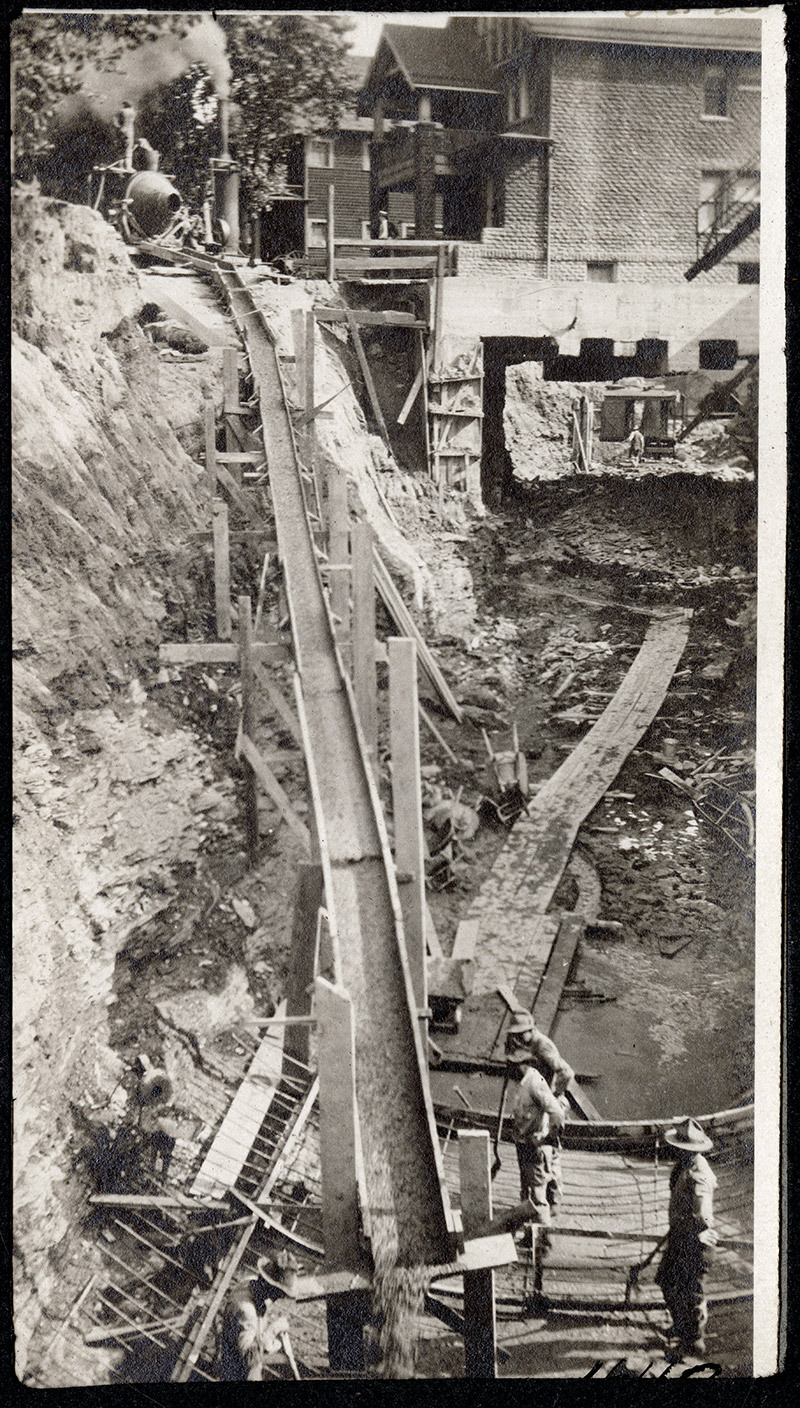
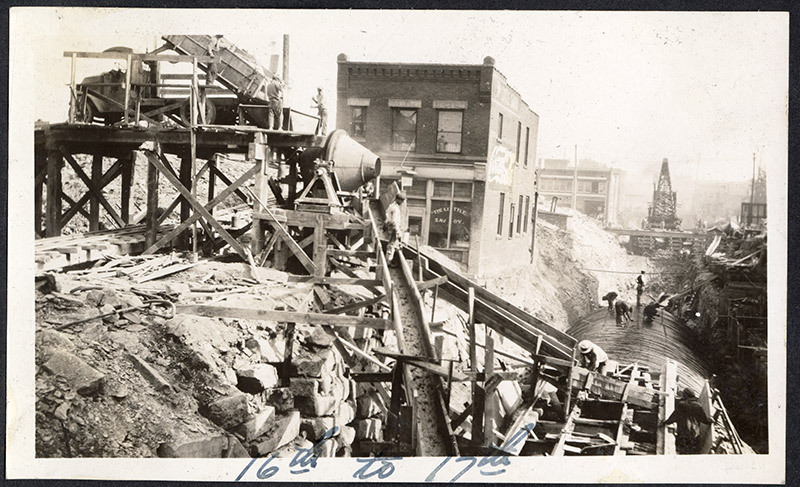
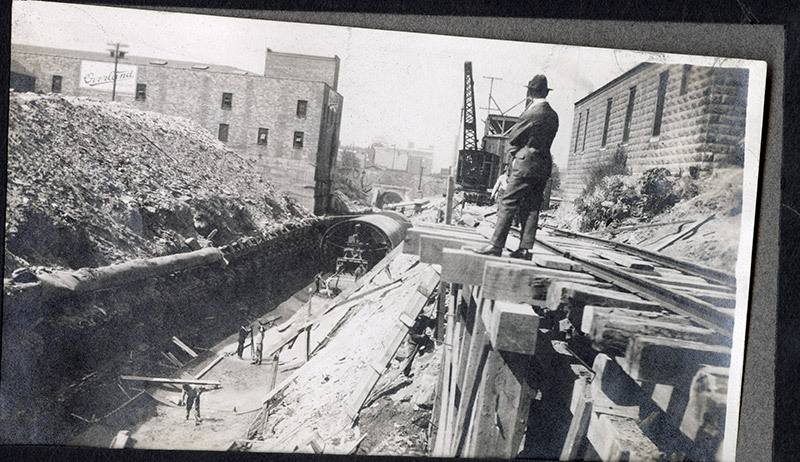
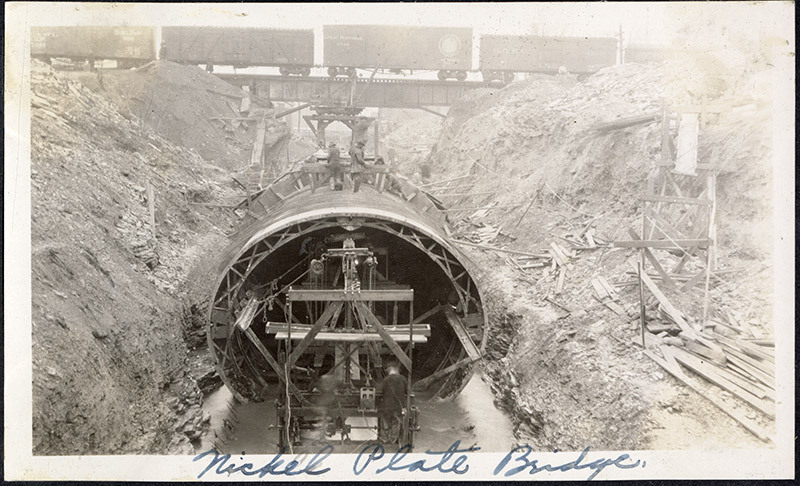
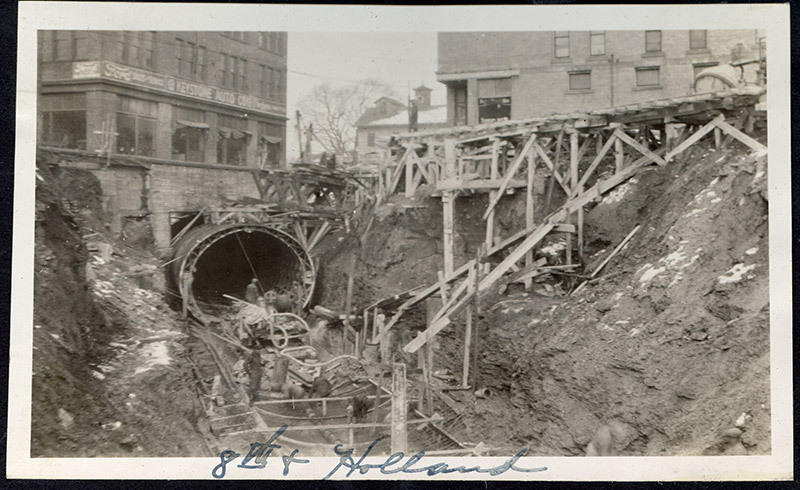
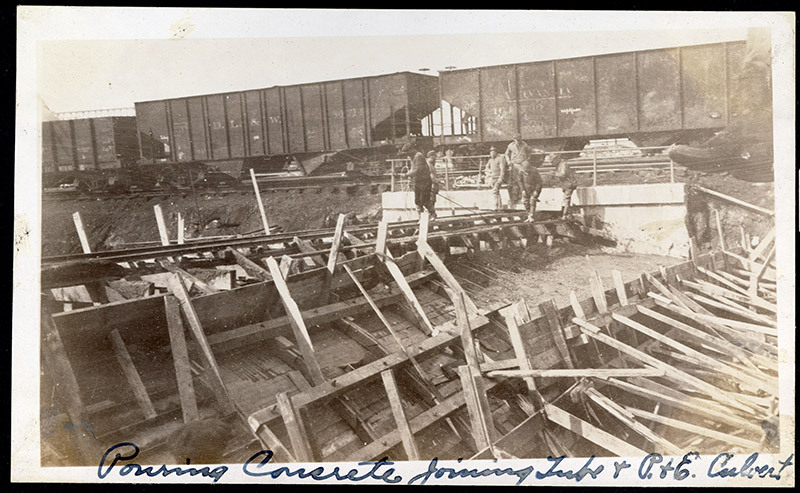
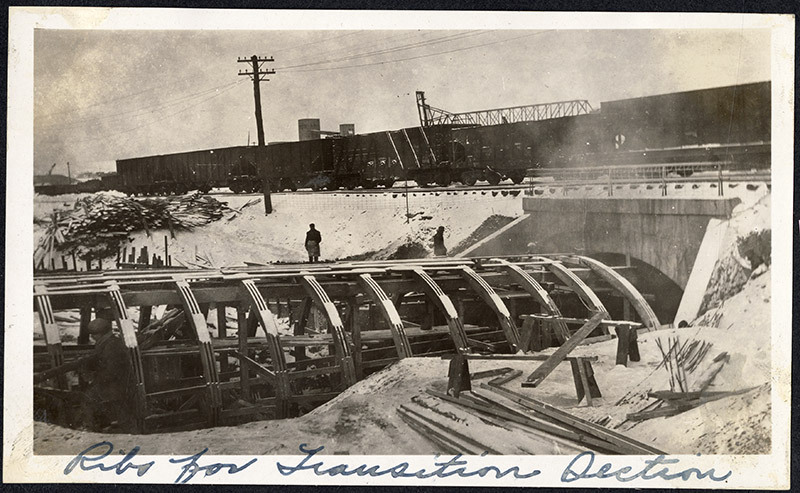
The Tube was built section by section, in place, using manpower, horses, a construction train/tracks for carrying supplies, and specialized forms for pouring concrete in place. 

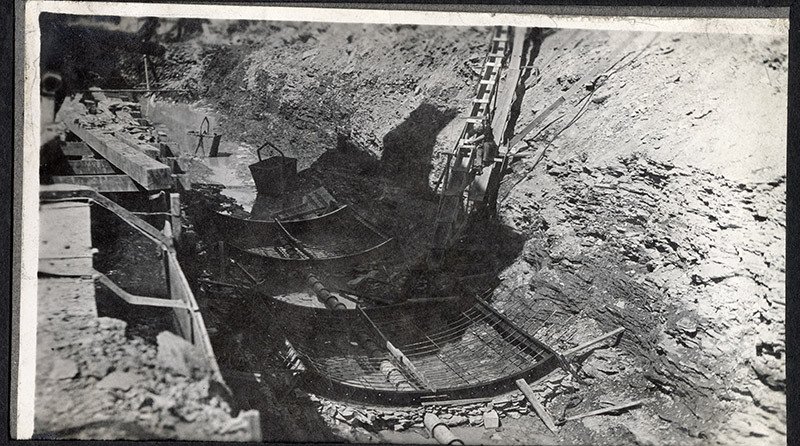
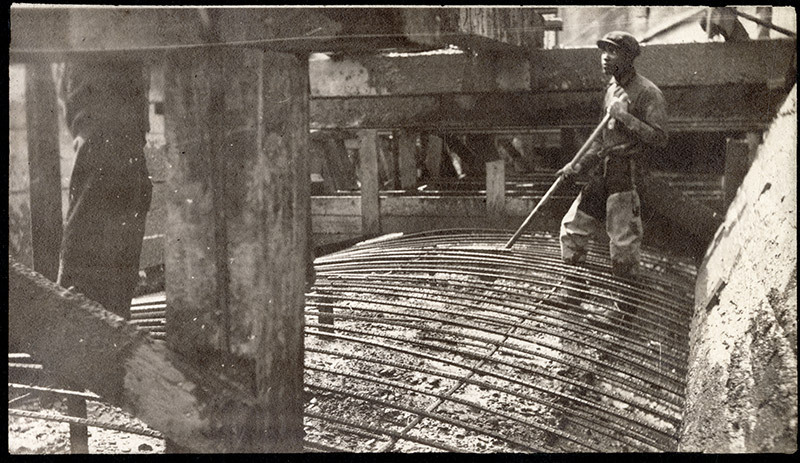
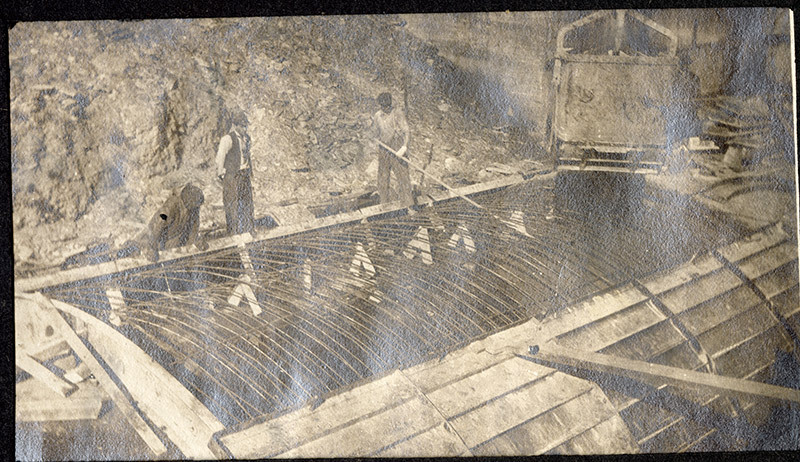
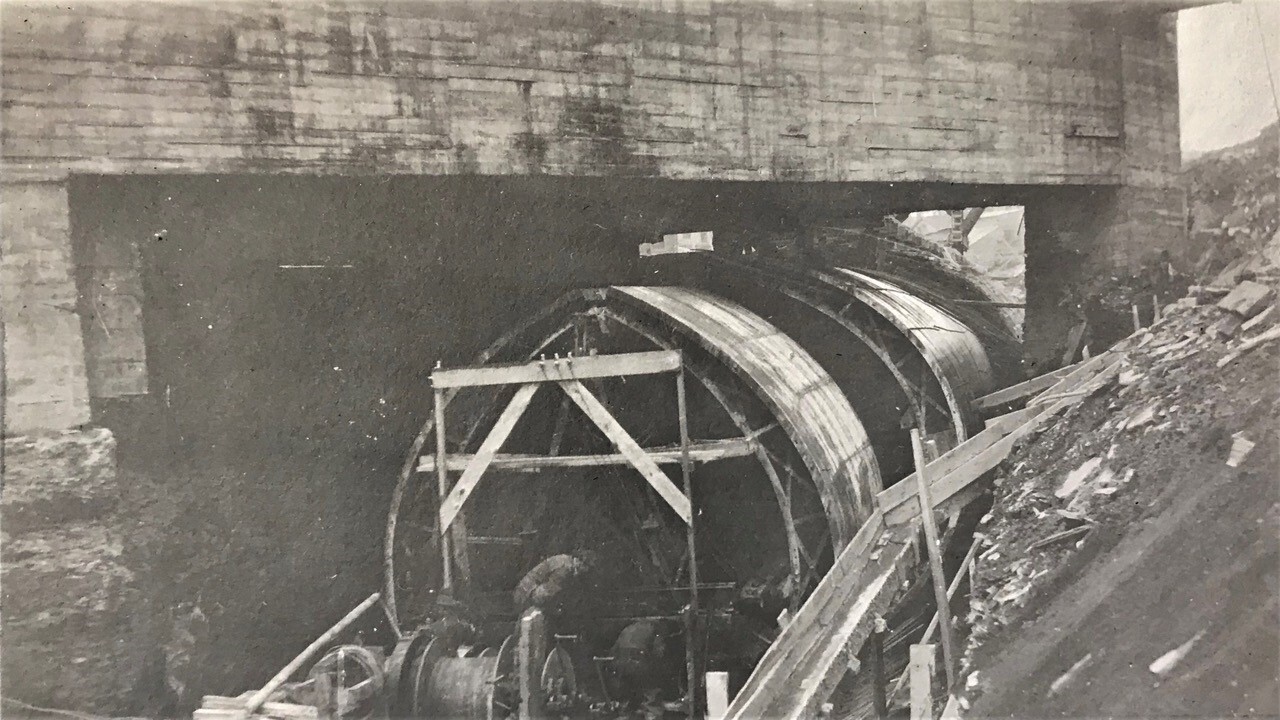
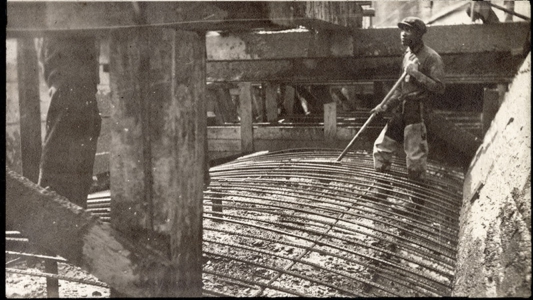
Rebar stays would support the metal form, then collapse as the concrete sets and be reused for the next section. 

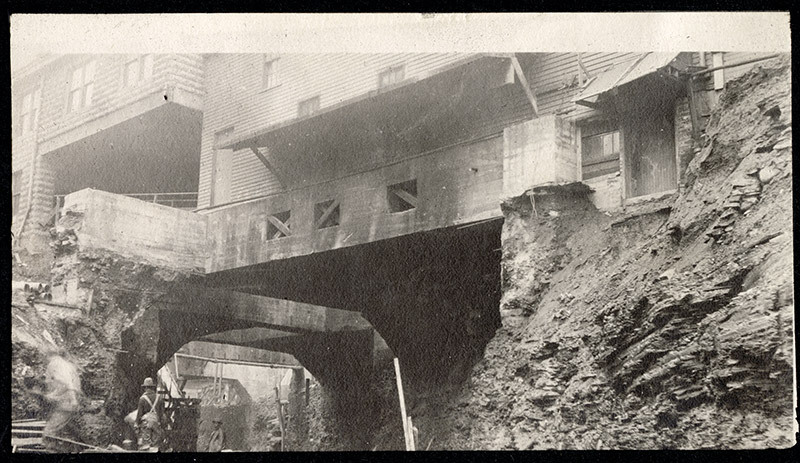
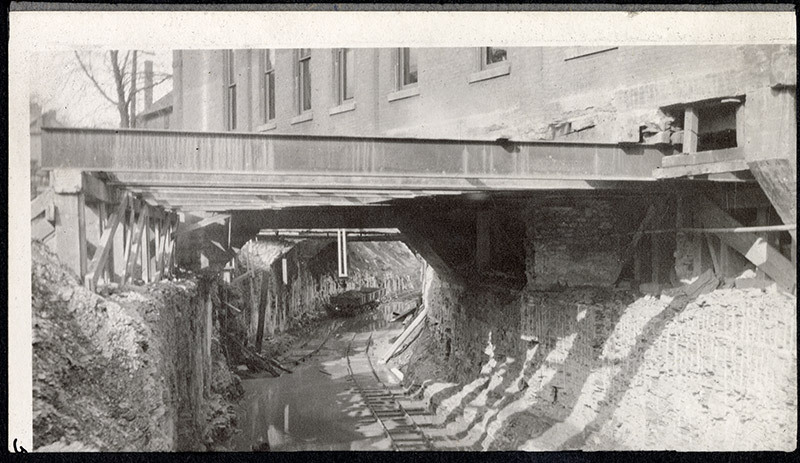
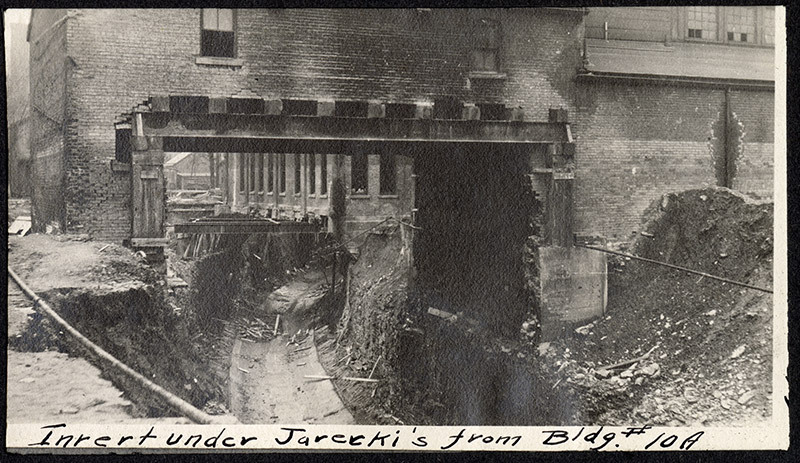
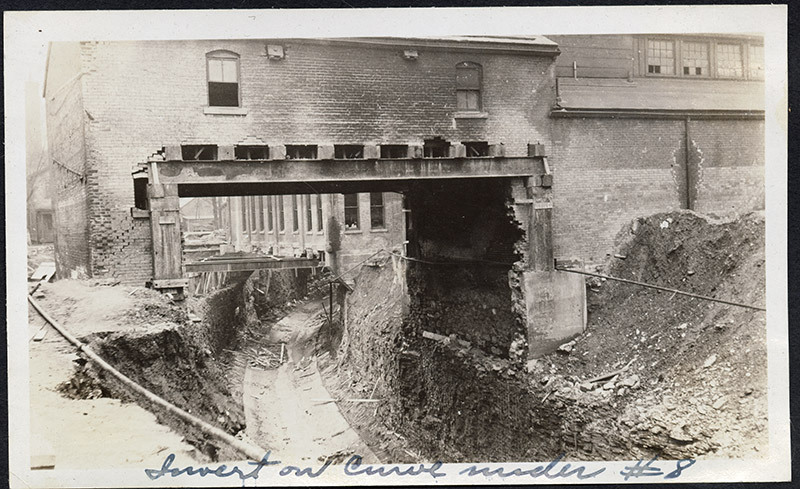
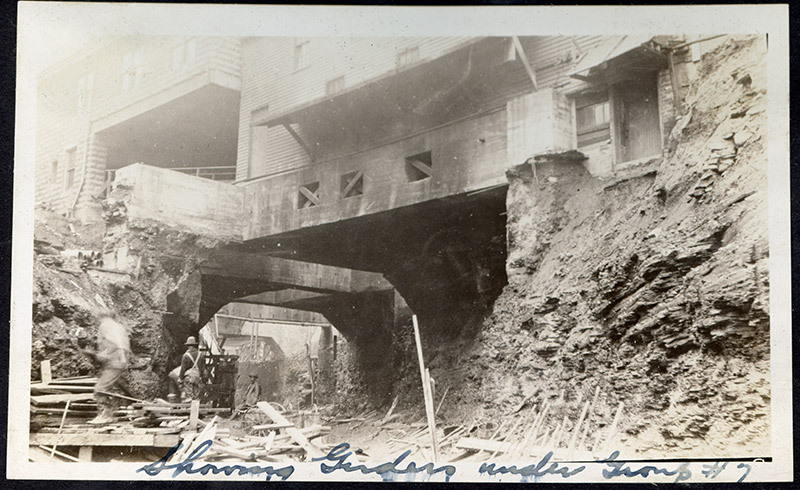
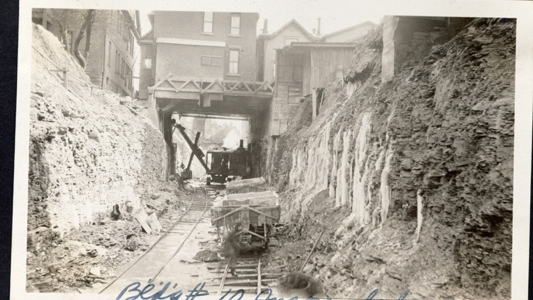
There were several structures, both homes and businesses, that required I-beam supports while the Tube was constructed directly underneath. 

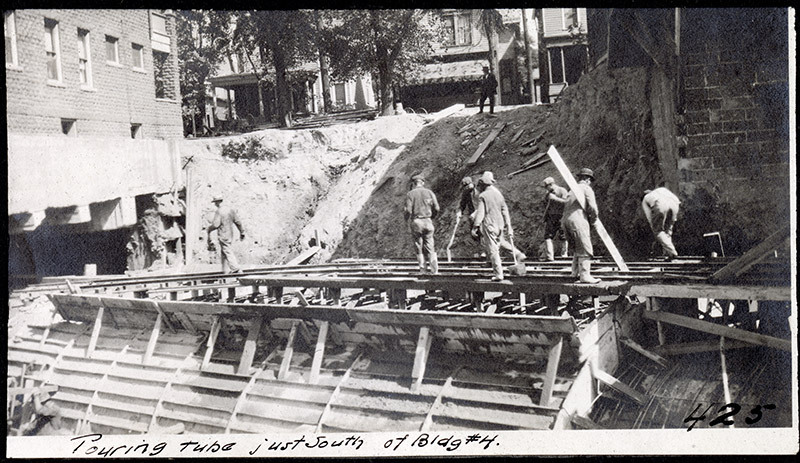
Pouring concrete

Rebar worker

Suspending a house above the tube with I beam supports

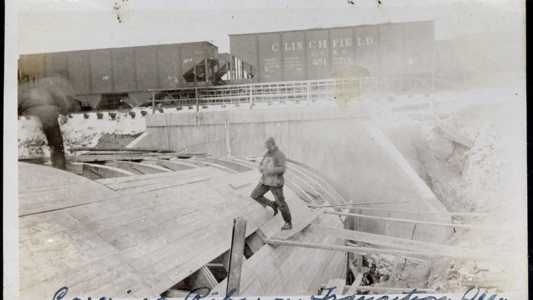
Covering ribs on transition section

Today

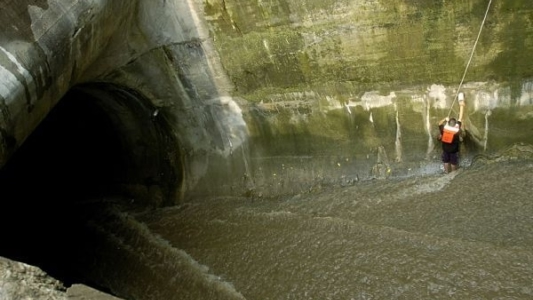
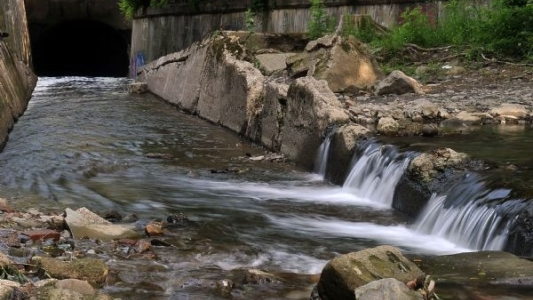
For the past 100+ years, the Mill Creek Tube has done its job, guiding the waters of Mill Creek from their source south of the city through the final 2 miles of their journey to Presque Isle Bay.

Over the decades, as Erie has grown and with it, the infrastructure, the invisible Tube, and its story have faded. With its hidden stature, Mill Creek has suffered unintended consequences over time.

Knowledge is power, and with the knowledge of the Flood, the Tube, and the consequences of its invisibility, the community can work together to ensure the safety and health of the water and its residents.

Mill Creek Tube Construction and Completion Photo Gallery

Swipe or tap to explore the full photo gallery.

South end of the Tube — construction
Driftcatcher Build
Driftcatcher Build
Driftcatcher Build
Driftcatcher Build
Erie circa 1918 - Pouring concrete for the Mill Creek Tube
Pouring concrete
Pouring concrete
Pouring concrete from 16th to 17th St
Rebar at the bottom of the tube
Pouring concrete just South of building 4
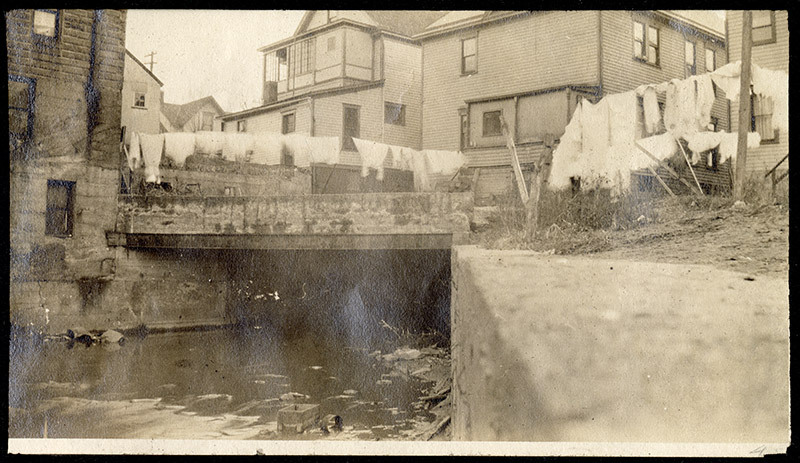
8th and Holland
8th and Holland
See debris in the water and the attempt to continue life through the destruction.
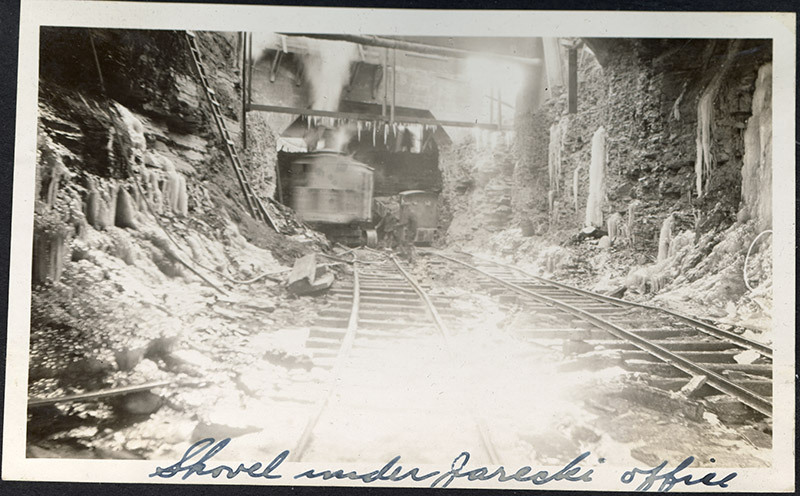
Skovel under Jarecki Office
Shows the intersection under Jarecki building
Rebar worker
Rebar worker
At least two additional lives were lost during the construction of the Tube
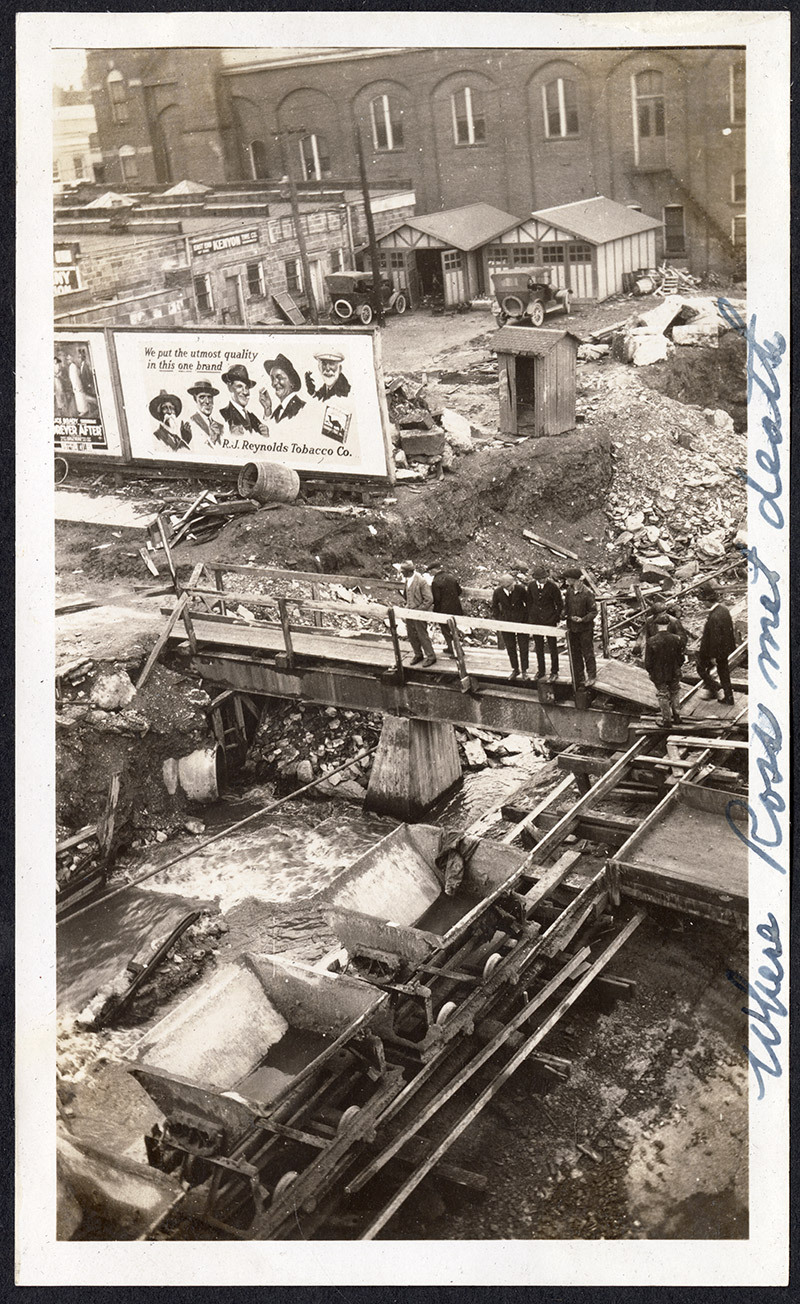
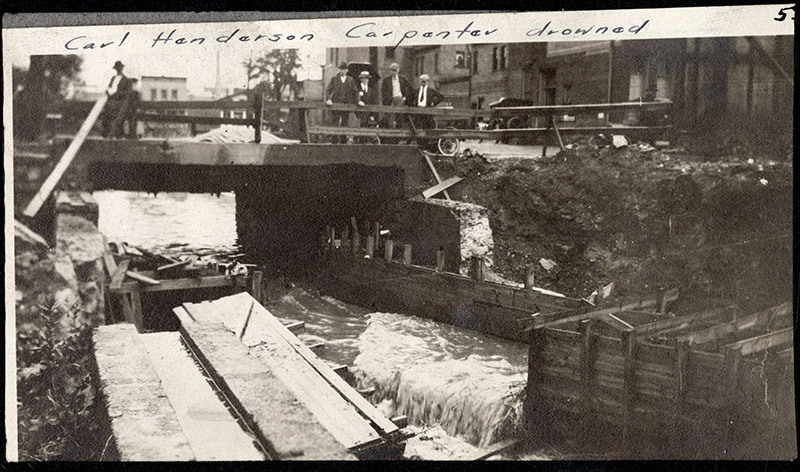
Nickel Plate Bridge section
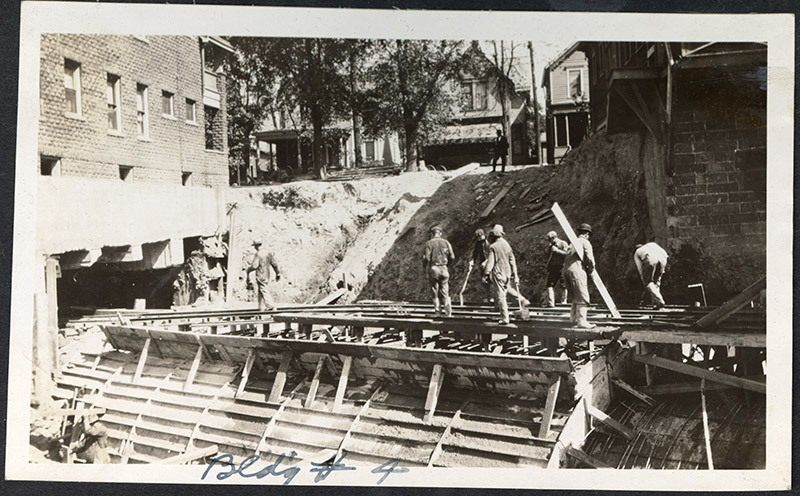
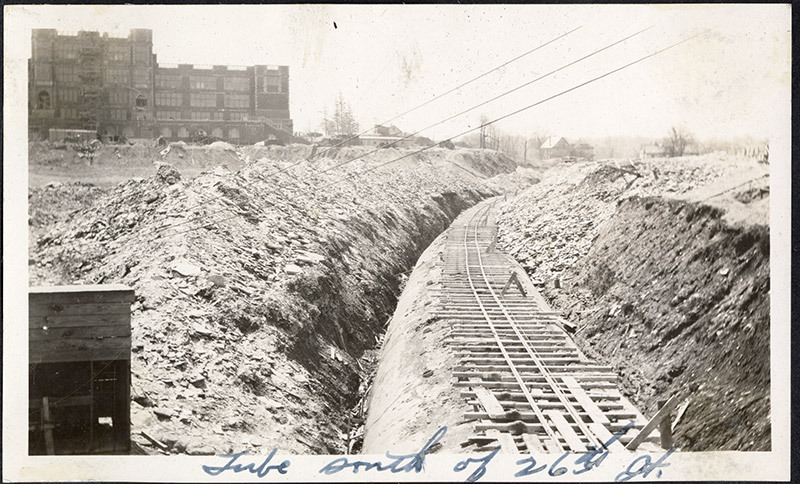
Covered tube at the South of 26th St; Academy High School is in the background
Invert on curve under building 8
Pouring concrete
Pouring concrete
Ribs for transition section
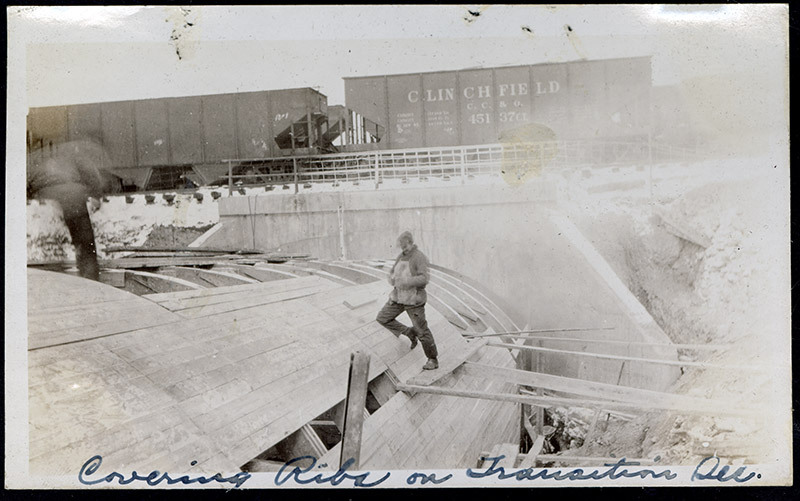
Covering ribs on transition section
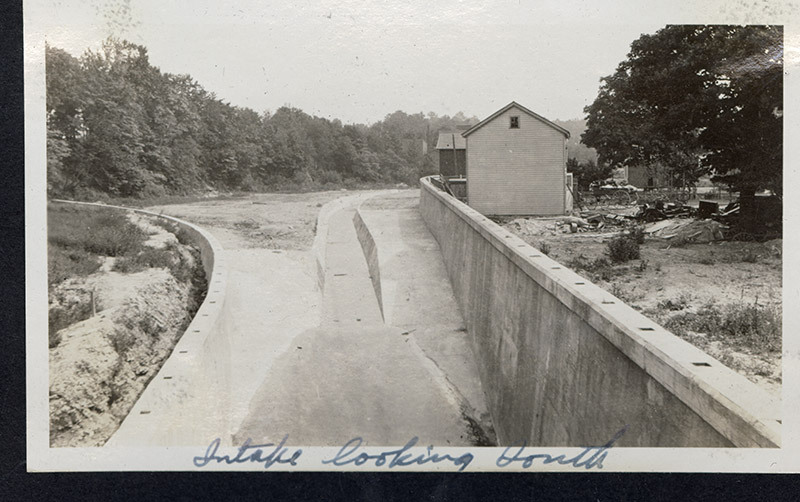
Intake looking south